

Paris Lines, Finding Romance and My Life in the City of Love
Introducing the Parisian Dream.
Many people dream of visiting Paris, France, and it’s easy to see why. Paris is known for the finest things in life, such as the Eiffel Tower, the Louvre, French cafes, Notre Dame, high-end fashion, pastries, and romance.
Have you ever heard someone say that Paris is the most romantic city in the world? That must be true, given its reputation as the “City of Love” and its popularity as a honeymoon destination. For me, Paris was my ultimate dream. It’s something I’ve always yearned for. That’s one reason I studied Hotel and Restaurant Management.
It was a stepping stone for my application for a culinary course scholarship in Paris. After all, I’ve always wanted to become a pastry chef and manage my own French patisserie and cafe with a high tea menu.
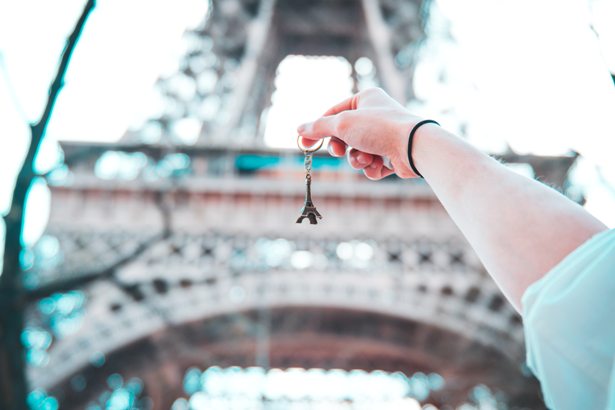
I was so passionate about learning and building my career foundation in Paris that I focused on this goal. And then it happened. I finally received an invitation letter from Le Cordon Bleu Paris. What more could I ask for when the gastronomic capital of Paris was all set to become my campus?
Life in Paris
My time in Paris was a dream come true. I had the opportunity to study culinary arts and techniques, and pursued my passion to become a pastry chef.
Along the way, I made many friends and had the chance to see beautiful landmarks like the spectacular Seine River, which was close to my campus, and the breathtaking Eiffel Tower. I also visited the Notre Dame Cathedral, the Sacre Coeur, and the Champs-Elysees.
My fondest memories of Paris include quiet walks in lovely parks, riding a bicycle to feel the wind on my face, and enjoying tea or coffee with fresh croissants and macarons. I can confidently say that I had some of the best times of my life there, and it was absolute bliss.

Dating in Paris
After finishing my BA course at Le Cordon Bleu in Paris and obtaining a certificate in Pastry Making, I enrolled in a Professional Immersion program in baking.
This 18-month program focused on the apprenticeship of baking techniques and practical experiences in the professional field. With more time on my hands and a lighter schedule, I decided to try my luck with dating. I explored various dating resources available in Paris, such as dating apps, matchmaking sites, and chat rooms for singles.
Dating in Paris was something I had always dreamed of, but my busy schedule had prevented me from experiencing it. Then, with the help of a fellow apprentice, I met Dylan on social media. To make a long story short, I finally had the chance to experience romance in the city of love.

Dylan was the perfect gentleman. He supported my passion for food and baking. Together, we tried the best madeleines, St. Honore, and mille-feuille around the city. Some days, we drove to the outskirts of Paris and sampled pastries from various patisseries like Utopie, La Maison du Mochi, Boulangerie Bo, and Pierre Herme.
Our dates weren’t always extravagant, but being in Paris made them feel grand and romantic. I also shared with him my goal to open a French patisserie and cafe in a posh spot in Miami, and he even promised to visit once I returned home to my family. However, all good things must come to an end, and sometimes, promises are easily broken.
After only six months of dating exclusively, we drifted apart. Perhaps the language barrier was one of the main factors, and another was our mutual differences. Both Dylan and I had strong personalities, and neither of us was willing to submit to the other. So just as our love story began to unfold, it ended.

Paris Phone Lines and Phone Dating
Experiencing heartbreak in a foreign land, away from family and friends, was incredibly difficult. I needed someone to talk to and a shoulder to cry on. In my mind, I just needed a distraction – something to take my thoughts away from Dylan.
However, being in a different time zone made it difficult to talk to people from back home when I needed them most. But I had to help myself move on. That’s how I came across Paris chat lines, like chatlinedating.com/adult, which are phone dating lines for singles who want to chat with fellow singles or callers nearby.
They work similarly to dating apps, except callers can stay anonymous, as there’s no need to create a profile and upload photos. Users simply call, find a chat partner, and start chatting on the phone. I didn’t hesitate to use the Paris lines because they were private and secure, keeping every chat session between callers confidential.

Although they were notorious for phone sex and extreme adult topics, I read that many people actually called for friendly chats and non-sexual conversations.
Some even found real-life friends and romantic partners through the Paris lines and their more daring counterpart, the phone sex numbers in Paris. All of this sounded good to me.
Finding a Chat Partner on the Paris’ Lines
The simple and direct approach to connecting with others is what appealed to me most about the Paris chat lines. They were my best option for quickly finding someone to talk to, so I could stop wallowing in self-pity over the end of my love story with Dylan. For some reason, calling the chat lines when I felt down worked for me.
I even found myself looking forward to calling again after meeting a friendly chat partner who went by the name Arthur. Thanks to Arthur, I managed to smile and return to my normal self. We talked about our past relationships as if we were long-time friends, sharing our personal views on love and life in general.
There were subtle hints of flirting and quite a few sexy moments, but we tried our best to maintain what we had. I never revealed my real name, what I was doing in Paris, or where I was staying.

Our intentions were perfectly aligned – we both just needed someone to talk to, to take our minds off things. Around four months post-breakup with Dylan, I knew I had moved on, thanks to Arthur’s help and his presence on the Paris chat lines.
I can still remember my heart skipping a beat whenever I got a notification that he was active. But I wanted to keep things that way. I knew that in a few months’ time, I would be returning home to Miami, and I didn’t intend to leave a piece of my heart in Paris.
French Patisserie and Mr. Public Adjuster
After completing my professional immersion as a pastry chef in Paris, I returned home to my family. I received the warmest welcome from my parents, siblings, relatives, and friends.
Before long, I shared my plans to open a French patisserie and cafe someday.
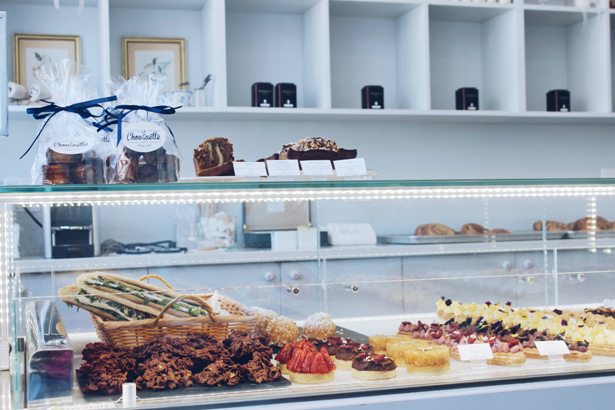
Although my parents and brother were willing to lend me a significant amount of money, I knew I needed to raise my own funds as well. I had to start somewhere, and experience is always the key.
Life as a Pastry Chef
I applied as a pastry chef at one of Miami’s posh hotels and accepted personal orders for a variety of pastries like Danishes, croissants, macaroons, and éclairs. My family fully supported me, and on my 28th birthday, my dad surprised me with the perfect location for my soon-to-open patisserie business.
Everything was starting to fall into place until a severe storm hit the area, causing major water and flood damage to the property. Unfortunately, some of my baking equipment was already there and had been badly damaged as well.
Devastated, I immediately tried to find a solution, as my family also experienced significant losses even though my business wasn’t fully operational yet.
Claiming for Insurance Coverage
Our initial efforts to file an insurance claim were denied, so we consulted other professionals in the field. That’s when we learned about public adjusters in Miami who handle cases similar to ours. I contacted their office and was directed to a specialist who could help us.
I cooperated by providing all the necessary documents and information. Mr. Public Adjuster was nice, patient, and very professional. He was also attractive enough for me to make an effort to look good, despite our stressful situation.
He diligently reassured us, took the time to review our insurance policy, and presented valid evidence. Mr. Public Adjuster was well-mannered, and his presence conveyed serious business. His regular calls reminded me of when I looked forward to chatting with Arthur back in France.

It didn’t surprise me when he managed to turn things around and secured the maximum settlement from our insurance provider. I couldn’t have been happier because I could finally pick up where I left off and pursue my patisserie dream.
Mr. Public Adjuster turned out to be more than just an ally; he was like a knight in shining armor who returned my dream and won my parents’ hearts.
Lessons Life Has Taught Me
I know it’s cliché, but I now completely understand what it means to follow your dream and pursue your passion. From Paris to Miami, I worked on building a foundation for my ultimate goal without missing out on life.
On Personal Growth
I studied, learned, and gained new experiences in Paris. I met wonderful friends who showed me the beauty of the city. More importantly, I explored life on my own and witnessed breathtaking places in a foreign land.
On Love, Dating, and Romance
I learned many things along the way, including the possibility of finding love and romance anywhere. Paris is so romantic that anyone alone in this city would explore all means to find someone to share it with.
Although things didn’t work out for me and Dylan, I’m proud of myself for surviving the heartbreak and returning home with my heart intact. I’m also grateful for the opportunity to explore various dating apps and matchmaking websites in Paris.
I had a marvelous time calling the Paris lines and chatting with different French guys – until I found my friend, Arthur.
On Keeping the Faith
As I started my life again in Miami, there were hurdles along the way. But there was also an “ever-present silver lining.” I had my family, friends who recommended and promoted my pastries, coworkers who supported me, and Mr. Public Adjuster.
Currently, my patisserie serves as the humble home for my growing number of pastry orders and online cake business. Soon, it will be a lovely cafe spreading loads of positive vibes to every customer who visits. And it will be just as romantic and charming as Paris.